• About
  • Disclosure
  • Privacy Policy
  • Advertising
    • Email
    • Facebook
    • Instagram
    • Pinterest

Real Food for Real Families

  • Dinner
  • Healthy Kids
  • Healthy snacks
  • Dessert

Adaptation to local context is critical. South Africa’s high levels of interpersonal and community violence, coupled with socio-economic inequality and limited access to mental-health services, mean that programs must be trauma-aware and sensitive to gender dynamics. For girls, emphasis on personal safety, empowerment, and access may need to differ from boys’ programming; for children in rural areas, logistical issues such as transport and facility availability must be addressed. Monitoring and evaluation frameworks should therefore be context-specific, capturing changes in participants’ confidence, coping strategies, school engagement, and community behavior.

In conclusion, FightingKids South Africa—when implemented with local partnership, trauma-informed practice, and sustainable funding—offers a promising model for reducing youth violence and fostering resilience. Its combination of physical training, life skills, and mentorship addresses both the immediate need for personal safety and the longer-term goal of social and emotional development. Addressing challenges around resources, safeguarding, and contextual adaptation will be essential to realizing its full potential and delivering measurable, lasting benefits for vulnerable young South Africans.

FightingKids South Africa is a grassroots youth development initiative that uses martial arts and structured physical training to empower vulnerable children and adolescents across South Africa. Its programs combine practical self-defence instruction with life-skills education, mentorship, and community engagement, aiming to reduce violence, build resilience, and offer positive alternatives for young people at risk. Over time the organization has developed curricula tailored to local contexts, trained volunteer coaches, and partnered with schools and community centers to reach participants in both urban townships and rural areas.

Despite its promise, FightingKids South Africa faces notable challenges. Resource limitations constrain program scale and continuity, making it difficult to provide sustained support for all participants. Volunteer burnout and coach retention can undermine consistency, and in some communities there may be skepticism about martial-arts approaches if they are perceived as promoting violence rather than preventing it. Ensuring robust safeguarding—protecting children from abuse or exploitation within programs—and providing trauma-informed support for participants exposed to violence are ongoing priorities that require trained personnel and funding.

Evidence from comparable youth-intervention programs indicates several key benefits when implemented well: improved self-esteem, reduced involvement in delinquent behavior, stronger school attendance, and better impulse control. FightingKids South Africa seeks to realize these outcomes by creating consistent, structured environments where young people receive positive adult role models and predictable routines. Coaches—often recruited from the communities they serve—undergo training not just in physical techniques but also in mentorship, safeguarding, and basic counselling skills. This local staffing model enhances cultural relevance, trust-building, and long-term sustainability.

Successful scaling prospects depend on several strategic steps: securing multi-year funding commitments to ensure program stability; investing in coach training and certification pathways to professionalize delivery; strengthening partnerships with education and health services; embedding data collection systems to demonstrate impact to stakeholders; and involving alumni in mentorship roles to reinforce positive cycles. Advocacy and public communication that clearly frame martial arts as a tool for personal development and violence prevention—supported by participant stories and evaluation data—can build broader community buy-in.

Food Advertising by logo

What we’re about

Real food, for real families.  We believe that eating healthy as a family is critical for all of us, from age 0 to 100+.  But we also believe it doesn’t have to break the bank or take up all of your time.  We’re committed to sharing healthy recipes on a realistic budget that ANYONE can make.  No weird ingredients, no recipes that will keep you in your kitchen all day, and no unrealistic expectations.

Just real food!

Must Reads

Fightingkids South Africa Patched — _best_

Adaptation to local context is critical. South Africa’s high levels of interpersonal and community violence, coupled with socio-economic inequality and limited access to mental-health services, mean that programs must be trauma-aware and sensitive to gender dynamics. For girls, emphasis on personal safety, empowerment, and access may need to differ from boys’ programming; for children in rural areas, logistical issues such as transport and facility availability must be addressed. Monitoring and evaluation frameworks should therefore be context-specific, capturing changes in participants’ confidence, coping strategies, school engagement, and community behavior.

In conclusion, FightingKids South Africa—when implemented with local partnership, trauma-informed practice, and sustainable funding—offers a promising model for reducing youth violence and fostering resilience. Its combination of physical training, life skills, and mentorship addresses both the immediate need for personal safety and the longer-term goal of social and emotional development. Addressing challenges around resources, safeguarding, and contextual adaptation will be essential to realizing its full potential and delivering measurable, lasting benefits for vulnerable young South Africans. fightingkids south africa patched

FightingKids South Africa is a grassroots youth development initiative that uses martial arts and structured physical training to empower vulnerable children and adolescents across South Africa. Its programs combine practical self-defence instruction with life-skills education, mentorship, and community engagement, aiming to reduce violence, build resilience, and offer positive alternatives for young people at risk. Over time the organization has developed curricula tailored to local contexts, trained volunteer coaches, and partnered with schools and community centers to reach participants in both urban townships and rural areas. Adaptation to local context is critical

Despite its promise, FightingKids South Africa faces notable challenges. Resource limitations constrain program scale and continuity, making it difficult to provide sustained support for all participants. Volunteer burnout and coach retention can undermine consistency, and in some communities there may be skepticism about martial-arts approaches if they are perceived as promoting violence rather than preventing it. Ensuring robust safeguarding—protecting children from abuse or exploitation within programs—and providing trauma-informed support for participants exposed to violence are ongoing priorities that require trained personnel and funding. and long-term sustainability.

Evidence from comparable youth-intervention programs indicates several key benefits when implemented well: improved self-esteem, reduced involvement in delinquent behavior, stronger school attendance, and better impulse control. FightingKids South Africa seeks to realize these outcomes by creating consistent, structured environments where young people receive positive adult role models and predictable routines. Coaches—often recruited from the communities they serve—undergo training not just in physical techniques but also in mentorship, safeguarding, and basic counselling skills. This local staffing model enhances cultural relevance, trust-building, and long-term sustainability.

Successful scaling prospects depend on several strategic steps: securing multi-year funding commitments to ensure program stability; investing in coach training and certification pathways to professionalize delivery; strengthening partnerships with education and health services; embedding data collection systems to demonstrate impact to stakeholders; and involving alumni in mentorship roles to reinforce positive cycles. Advocacy and public communication that clearly frame martial arts as a tool for personal development and violence prevention—supported by participant stories and evaluation data—can build broader community buy-in.

One of the most popular plant based diet questions: what about protein? Here's some ideas for plant based protein foods to keep your body healthy and strong.

Plant based protein foods

fightingkids south africa patched
Food Advertising by logo

Search

Popular Categories

  • Okjatt Com Movie Punjabi
  • Letspostit 24 07 25 Shrooms Q Mobile Car Wash X...
  • Www Filmyhit Com Punjabi Movies
  • Video Bokep Ukhty Bocil Masih Sekolah Colmek Pakai Botol
  • Xprimehubblog Hot

Most Popular Recipes

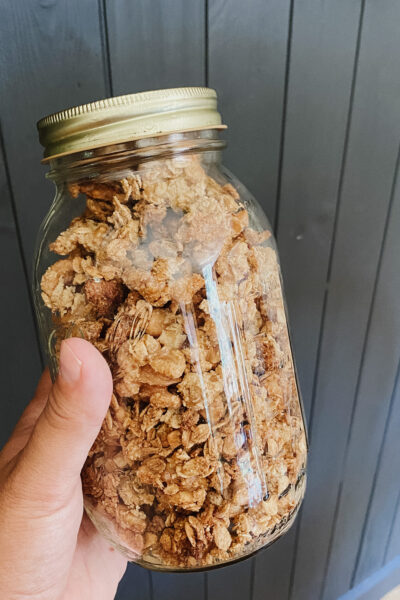
Easiest Gluten Free Granola

Easiest Gluten Free Granola Recipe (only 5 ingredients)

posted in Healthy snacks, Plant Based

One of the most popular plant based diet questions: what about protein? Here's some ideas for plant based protein foods to keep your body healthy and strong.

Plant based protein foods

posted in Plant Based

is a plant based diet more expensive

Is it more expensive to eat a plant based diet?

posted in Plant Based

fightingkids south africa patched

Easy healthy salad dressing (3 ingredients, plant based, oil free)

posted in Plant Based, Sauces

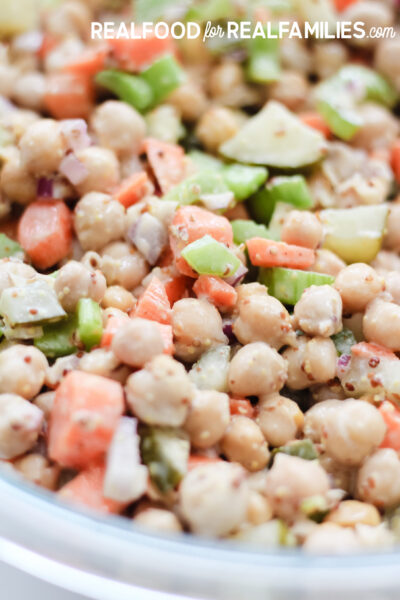
plant based chick pea salad meal prep recipe

Dill pickle chick pea salad

posted in Plant Based

Food Advertising by logo

You might also like

Easiest Gluten Free Granola

Easiest Gluten Free Granola Recipe (only 5 ingredients)

One of the most popular plant based diet questions: what about protein? Here's some ideas for plant based protein foods to keep your body healthy and strong.

Plant based protein foods

is a plant based diet more expensive

Is it more expensive to eat a plant based diet?

fightingkids south africa patched

Easy healthy salad dressing (3 ingredients, plant based, oil free)

plant based chick pea salad meal prep recipe

Dill pickle chick pea salad

fightingkids south africa patched

Copyright © 2026 Lunar EdgePrivacy Policy · Divine theme by Restored 316

Copyright © 2025 · Divine Theme on Genesis Framework · WordPress · Log in