Literature

Filipina Sex Diary Maymay May 2026

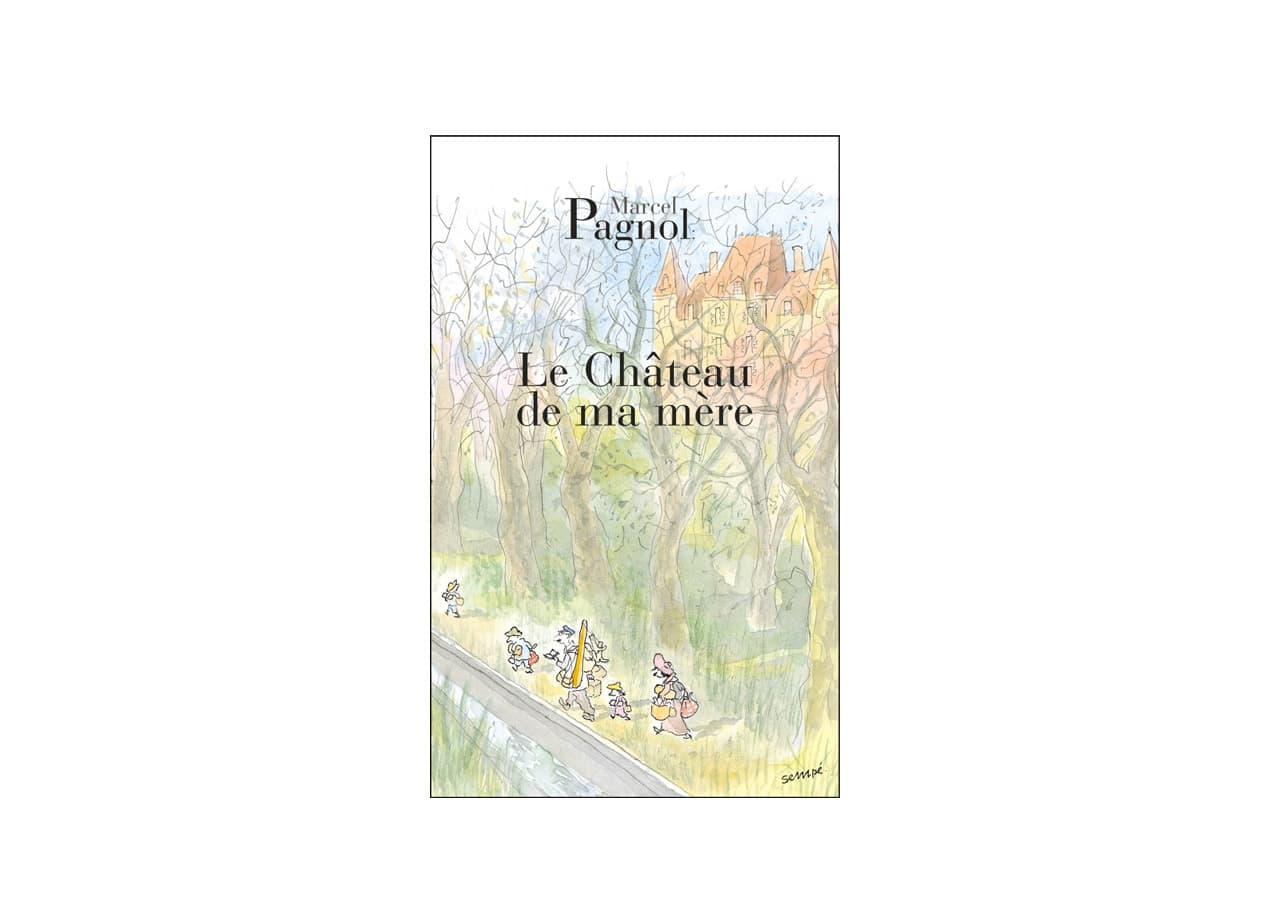
The most beautiful book on child friendship: one morning while hunting in the hills, Marcel meets the little peasant, Lili des Bellons. His vacations and his whole life will be illuminated by it.

The most beautiful book about childhood friendship.

Summary

One year after La Gloire de mon père (My Father’s Glory), Marcel Pagnol thought he would conclude his childhood memories with this Château de ma mère (1958), the second part of what he considered as a diptych, ending with the famous scene of the ferocious guardian frightening the timid Augustine. Little Marcel, after the family tenderness, discovered friendship with the wonderful Lili, undoubtedly the most endearing of his characters. The book closes with a melancholic epilogue, a poignant elegy to the time that has passed. In it, Pagnol strikes a chord of gravity to which he has rarely accustomed his readers.

Hey friend! “
I saw a boy about my age looking at me sternly. You shouldn’t touch other people’s traps,” he said. “A trap is sacred!
” 

– “I wasn’t going to take it,” I said. “I wanted to see the bird.” 

He approached: “it was a small peasant. He was, brown, with a fine Provencal face, black eyes and long girlish lashes.”

Buy online

You will also like:

Filipina Sex Diary Maymay May 2026

A personal diary or account like "Filipina Sex Diary Maymay" can serve as a therapeutic outlet for the author, allowing her to process her emotions, desires, and experiences. By sharing her story, she may be seeking connection, understanding, or validation from her audience. This raises questions about the psychological benefits of sharing intimate experiences, the potential risks of vulnerability, and the impact on mental health.

The discussion around "Filipina Sex Diary Maymay" may also highlight the importance of sex education, consent, and healthy relationships. It can encourage readers to reflect on their own experiences, attitudes, and values regarding sex and relationships. Furthermore, it may contribute to a more nuanced understanding of the diverse experiences of Filipina women, promoting empathy and inclusivity. Filipina Sex Diary Maymay

The emergence of "Filipina Sex Diary Maymay" as a subject of discussion warrants an examination of its cultural, social, and psychological implications. This treatise aims to provide a nuanced exploration of the topic, delving into its possible meanings, significance, and the conversations it sparks. A personal diary or account like "Filipina Sex

"Filipina Sex Diary Maymay" appears to be a personal and intimate account, possibly a blog, vlog, or written diary, that shares the author's experiences and thoughts on sex, relationships, and personal growth. The use of "Filipina" in the title may indicate that the author is a Filipina woman, and the content might be a reflection of her identity, culture, and experiences. The discussion around "Filipina Sex Diary Maymay" may

The existence of such a personal and candid account raises questions about the cultural context in which it was created. The Philippines is a country with a complex and conservative history, where discussions around sex and relationships are often stigmatized or considered taboo. The creation and sharing of "Filipina Sex Diary Maymay" might be seen as a bold move, challenging traditional norms and sparking conversations about female empowerment, body autonomy, and the importance of open communication.

"Filipina Sex Diary Maymay" is a thought-provoking topic that invites us to explore the complexities of identity, culture, and personal expression. By engaging with this subject, we can foster a deeper understanding of the intersections between sex, relationships, and culture, ultimately promoting a more empathetic and inclusive society.
A personal diary or account like "Filipina Sex Diary Maymay" can serve as a therapeutic outlet for the author, allowing her to process her emotions, desires, and experiences. By sharing her story, she may be seeking connection, understanding, or validation from her audience. This raises questions about the psychological benefits of sharing intimate experiences, the potential risks of vulnerability, and the impact on mental health.

The discussion around "Filipina Sex Diary Maymay" may also highlight the importance of sex education, consent, and healthy relationships. It can encourage readers to reflect on their own experiences, attitudes, and values regarding sex and relationships. Furthermore, it may contribute to a more nuanced understanding of the diverse experiences of Filipina women, promoting empathy and inclusivity.

The emergence of "Filipina Sex Diary Maymay" as a subject of discussion warrants an examination of its cultural, social, and psychological implications. This treatise aims to provide a nuanced exploration of the topic, delving into its possible meanings, significance, and the conversations it sparks.

"Filipina Sex Diary Maymay" appears to be a personal and intimate account, possibly a blog, vlog, or written diary, that shares the author's experiences and thoughts on sex, relationships, and personal growth. The use of "Filipina" in the title may indicate that the author is a Filipina woman, and the content might be a reflection of her identity, culture, and experiences.

The existence of such a personal and candid account raises questions about the cultural context in which it was created. The Philippines is a country with a complex and conservative history, where discussions around sex and relationships are often stigmatized or considered taboo. The creation and sharing of "Filipina Sex Diary Maymay" might be seen as a bold move, challenging traditional norms and sparking conversations about female empowerment, body autonomy, and the importance of open communication.

"Filipina Sex Diary Maymay" is a thought-provoking topic that invites us to explore the complexities of identity, culture, and personal expression. By engaging with this subject, we can foster a deeper understanding of the intersections between sex, relationships, and culture, ultimately promoting a more empathetic and inclusive society.