Menu
Menu



Top Ranked Fencers
Epee
 Sera SONG
When and where did you begin this sport?
She began fencing at junior high school in Geumsan County, Republic of Korea.
Why this sport?
Her physical education teacher suggested the sport to her.
Learn more→ Gergely SIKLOSI
When and where did you begin this sport?
He began fencing at age seven. "I was doing it for fun until around 14 when I beat the Hungarian No. 1 at that time, and realised that this is serious, for real."
Why this sport?
"When I first tried [fencing], I felt like 'this is me'. Fencing is not only about physical or technical capabilities, it's also about mind games. It's not the fastest or the strongest who wins. It's the one who can put the whole cake together."
Learn more→Foil
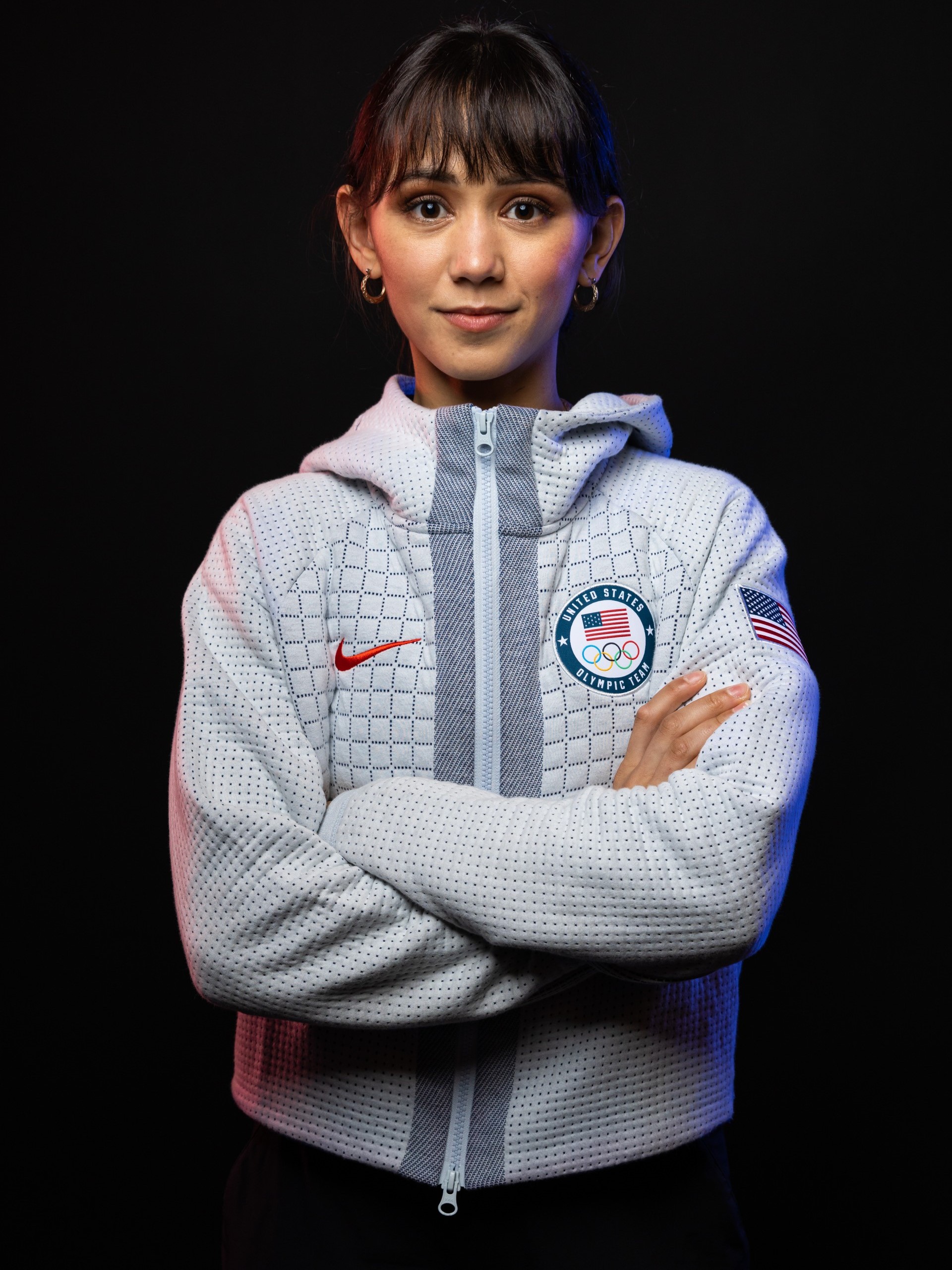 Lee KIEFER
When and where did you begin this sport?
She began fencing at age six after watching her father fence at a local competition. "My siblings and I thought the sport was strange and interesting-appearing, so my dad started teaching us the basics in our empty dining room and taking us to a club twice a week that was 1.5 hours away from where we lived."
Why this sport?
She and her brother and sister followed their father, Steve Kiefer, into the sport. "Growing up my dad decided that he wanted to take up fencing again. He hadn't picked up a foil in 10 or 15 years, and me and my siblings watched him compete at a local tournament. Then he asked if we wanted to try it, and we said yes. Twenty years later I'm still doing it."
Learn more→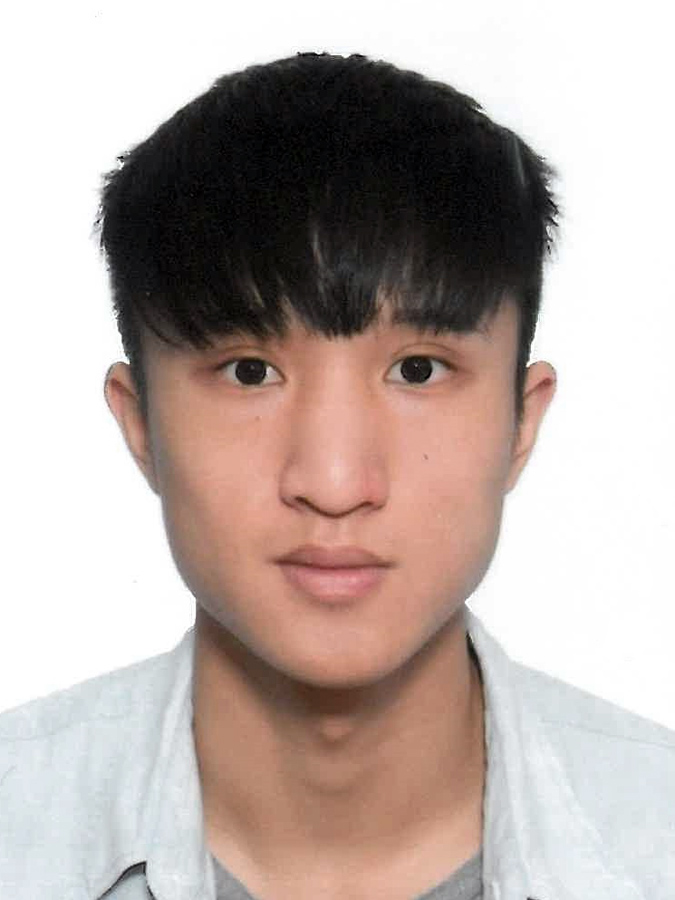 Chun Yin Ryan CHOI
When and where did you begin this sport?
He began fencing in grade four of primary school.
Why this sport?
His mother forced him to go to a fencing lesson. "I didn't really want to go, but my mother made me because it was run by a friend of hers and they wanted more students. But, after the class, I loved it and wanted to continue."
Learn more→Sabre
 Misaki EMURA
When and where did you begin this sport?
She began fencing at age nine.
Why this sport?
She was encouraged to try the sport by her parents, and went to a fencing class where her father coached. She took up foil in grade three of primary school, but competed in sabre at a competition which had a prize of a jigsaw puzzle. She then switched to sabre before starting middle school.
Learn more→ Jean-Philippe PATRICELearn more→
Results & Competitions
Latest Results
| Competition | Date | Weapon | Gender | Cat |
|---|---|---|---|---|
| Padua | 2026-03-08 | sabre | M | |
| Athènes | 2026-03-08 | sabre | F | |
| Cairo | 2026-03-08 | foil | F | |
| Cairo | 2026-03-08 | foil | M | |
| Padua | 2026-03-06 | sabre | M |
Upcoming Competitions
| Competition | Date | Weapon | Gender | Cat |
|---|---|---|---|---|
| Budapest | 2026-03-13 | epee | M | |
| Budapest | 2026-03-13 | epee | F | |
| Lima | 2026-03-20 | foil | M | |
| Lima | 2026-03-21 | foil | F | |
| Astana | 2026-03-26 | epee | M |
Plot and Structure The narrative centers on a protagonist—an ordinary person trapped overnight in a confined space—who believes a mysterious figure, described only as the "Killer in Purple," is stalking them. The plot unfolds in a tight, linear sequence: an initial unsettling discovery, escalating clues and false alarms, a climactic confrontation, and a final ambiguous resolution. The story’s compressed structure heightens suspense by limiting time and space, creating continuous forward momentum that mirrors the protagonist’s escalating panic.
Characters Characterization is spare but effective. The protagonist is portrayed through sensory detail and inner monologue rather than backstory, which increases reader identification and places emphasis on immediate survival instincts. The antagonist remains largely unknown—an anonymous "Killer in Purple"—which amplifies dread; the lack of motive or identity turns the killer into a symbol of implacable threat. Minor characters (if present) serve to reflect or contradict the protagonist’s perceptions, often deepening the theme of unreliable reality. killer in purple 1 android
Interpretation At its core, "Killer in Purple" functions as both a surface-level thriller and a psychological study. The antagonist may stand for externalized anxieties: invasive technology, social alienation, or the unpredictable dangers of urban life. The protagonist’s ordeal becomes a metaphor for confronting inner fears; the ambiguous ending suggests that some threats—psychological or societal—are not neatly resolved. Plot and Structure The narrative centers on a
Setting and Atmosphere The setting is claustrophobic: dim hallways, narrow rooms, or an isolated building—spaces that limit escape and force confrontation. The color purple, tied to the killer, recurs in objects and light, lending a surreal, almost hallucinatory quality to the environment. Ambiguous time of day (often night) and sparse sensory cues (flickering lights, distant footsteps) create a mood of persistent unease. The Android medium—if this refers to a short film, story, or game optimized for mobile devices—favors immediacy and sensory immersion, making the setting's constraints integral to pacing and user engagement. Characters Characterization is spare but effective
Conclusion "Killer in Purple" succeeds by combining a focused plot, minimal but vivid characterization, and a cohesive symbolic palette centered on the color purple. Whether experienced as a short story, film, or Android-native interactive piece, its strengths lie in atmosphere, pacing, and the unsettling interplay between perception and reality. The story lingers because it refuses full explanation—leaving the killer, and the truth about the protagonist’s mind, cloaked in purple ambiguity.