Mastering the simple present, past, and future tenses is essential for effective communication in English. With practice and dedication, you can become more confident in using these tenses correctly. Remember to focus on verb forms, practice with exercises, and read widely to reinforce your understanding. Happy practicing!
The simple past tense is used to describe completed actions in the past. It's often used to talk about things that happened at a specific time in the past. The simple past tense is formed using the past form of the verb, which is usually formed by adding -ed to the base form.
Understanding the basics of verb tenses is essential for effective communication in English. The simple present, past, and future tenses are the foundation of English grammar, and mastering them can help you express yourself clearly and confidently. In this blog post, we'll explore the simple present, past, and future tenses, along with exercises to help you practice and reinforce your understanding.
The simple present tense is used to describe habits, routines, and general truths. It's often used to talk about things that happen regularly or are generally true. The simple present tense is formed using the base form of the verb, with the addition of -s or -es for third-person singular (he, she, it).
The simple future tense is used to describe actions that will happen in the future. It's often used to talk about plans, predictions, and intentions. The simple future tense is formed using the auxiliary verb "will" + the base form of the verb.
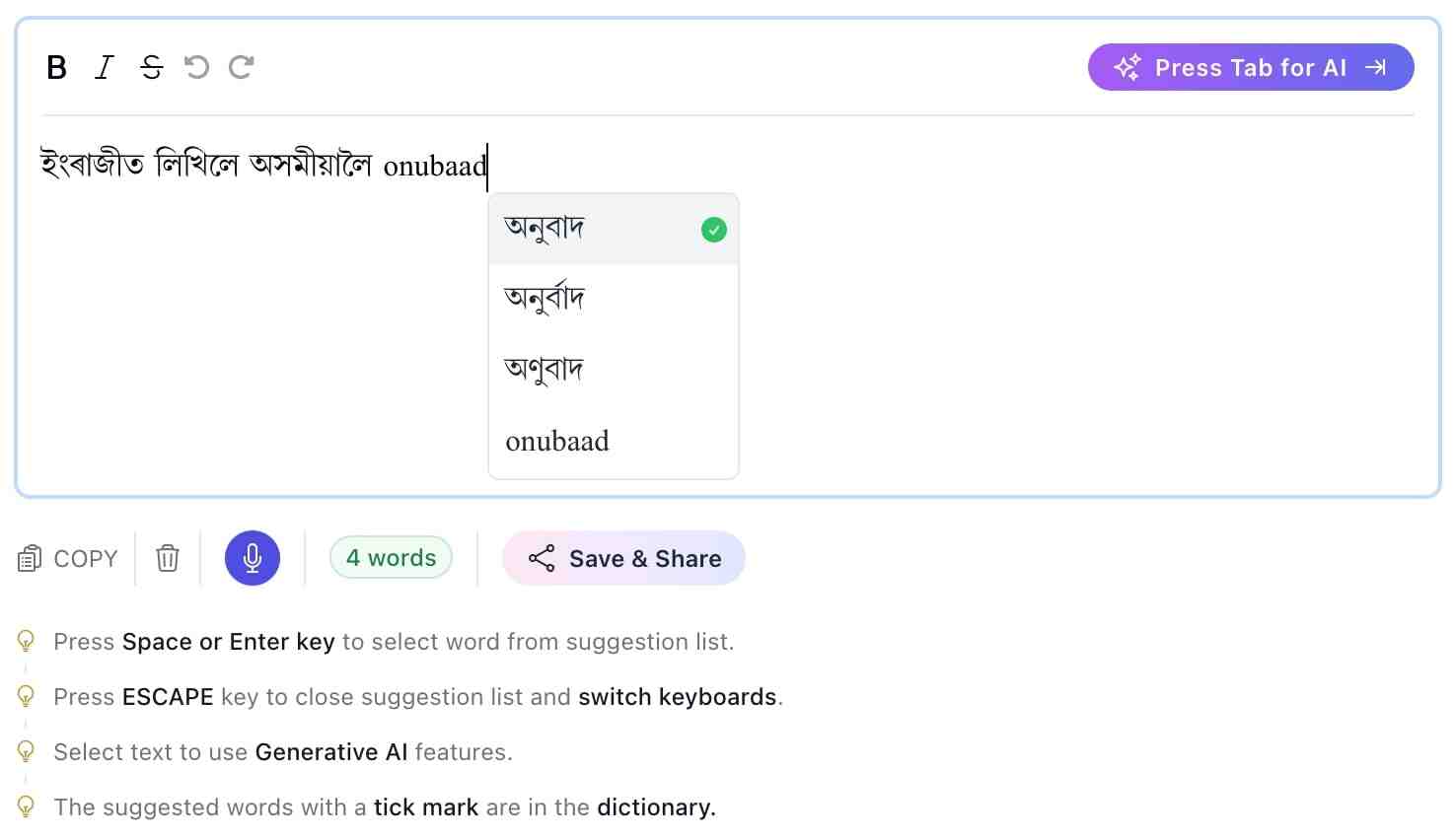
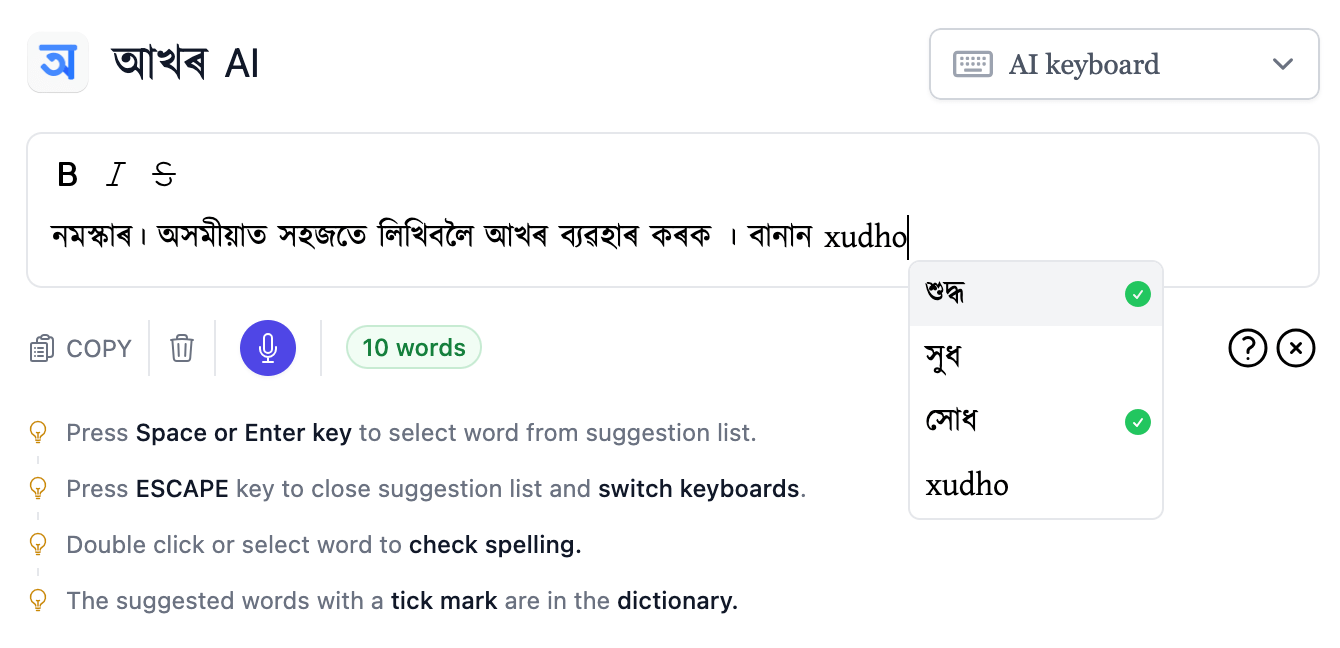
Experience the power of our AI-powered keyboard. Type Assamese faster than ever, even if you don't know the script!
Type Assamese words using English letters and get instant Assamese result. simple present past and future tense exercises
Get real-time spelling corrections as you type for error-free writing. Mastering the simple present, past, and future tenses
Choose from smart AI suggestions to speed up your typing and improve accuracy. Happy practicing
No prior experience needed. Start writing Assamese in minutes!
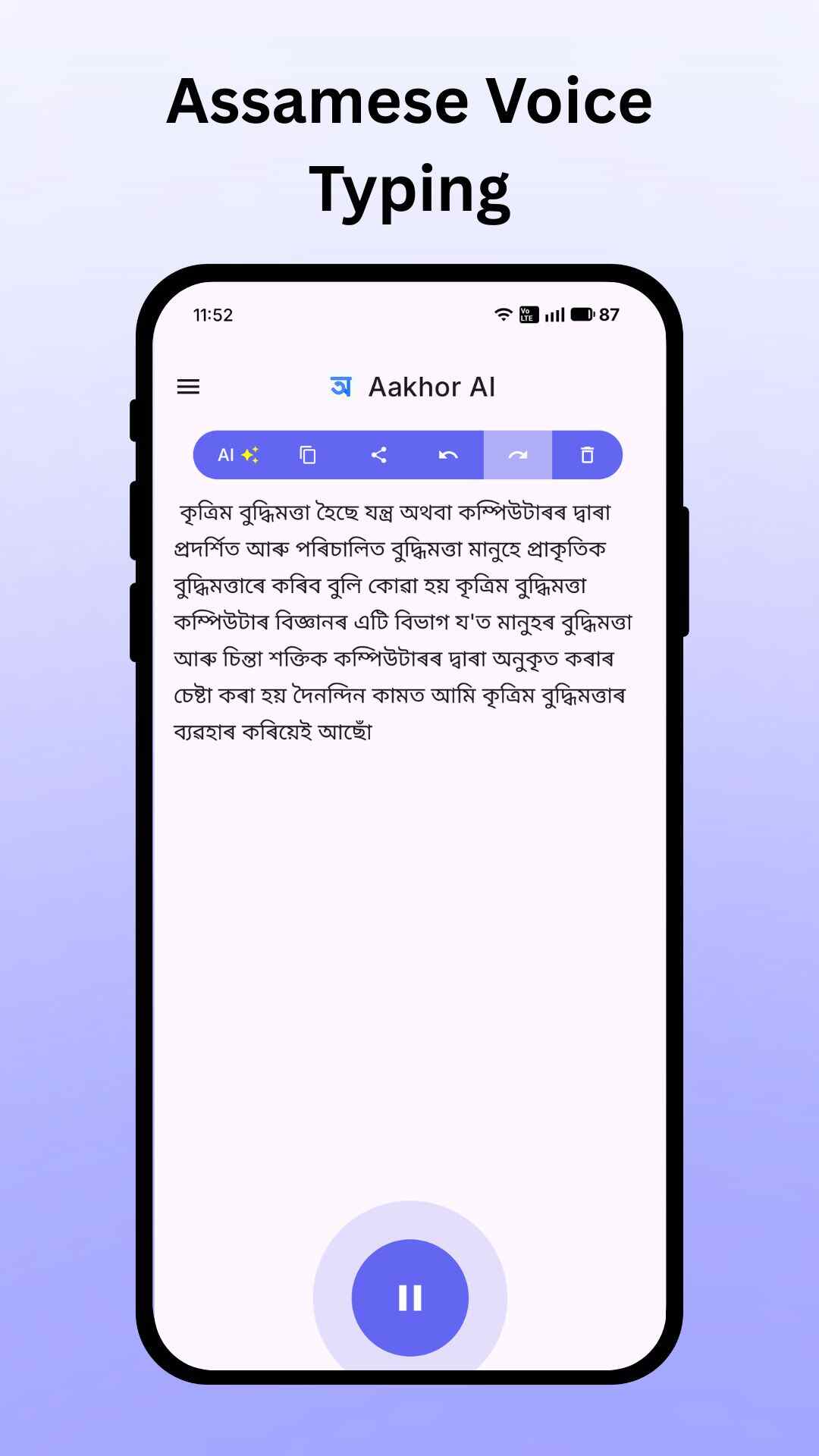
Type Assamese effortlessly by speaking. Our AI voice typing feature converts your speech to Assamese text in real time, making writing faster and more accessible for everyone.
Use Audiorelay mobile app to use your phone as a microphone for desktop
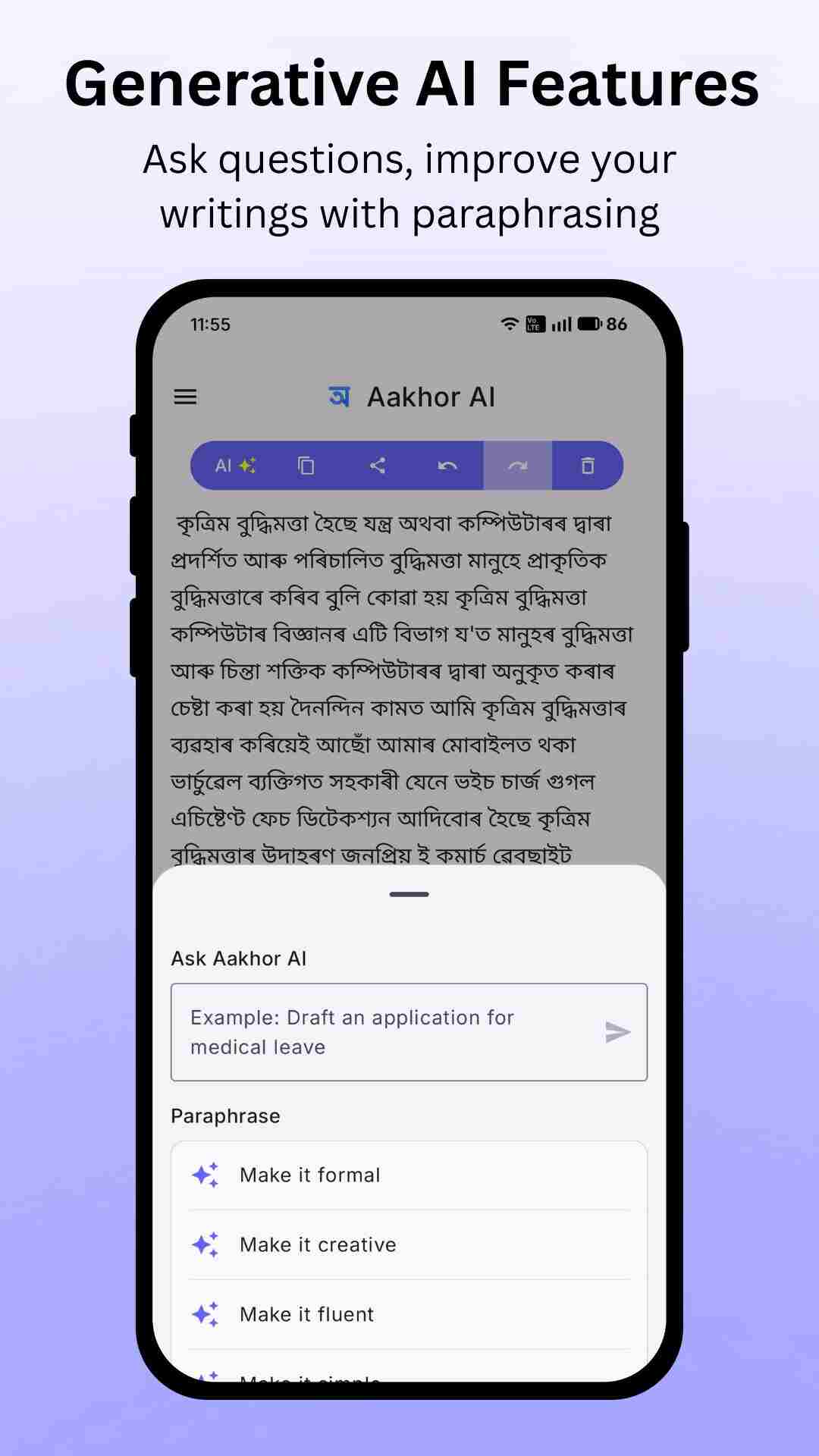
Experience seamless Assamese typing on your phone with our AI-powered mobile app. Enjoy voice typing and smart suggestions for a faster, easier writing experience.
Speak and see Assamese text appear instantly—no typing needed.
Get instant word suggestions as you type for faster, error-free writing.
Get advantage of our all-in-one toolkit
Save important thoughts instantly and access them from anywhere.
Easily share your notes with anyone.
Find word meanings, synonyms, and usage with our smart dictionary.
Utilize the power of our tools right from your browser.
Trained on millions of Assamese words, Aakhor AI lets you write blazing fast, even with zero typing experience.
Mastering the simple present, past, and future tenses is essential for effective communication in English. With practice and dedication, you can become more confident in using these tenses correctly. Remember to focus on verb forms, practice with exercises, and read widely to reinforce your understanding. Happy practicing!
The simple past tense is used to describe completed actions in the past. It's often used to talk about things that happened at a specific time in the past. The simple past tense is formed using the past form of the verb, which is usually formed by adding -ed to the base form.
Understanding the basics of verb tenses is essential for effective communication in English. The simple present, past, and future tenses are the foundation of English grammar, and mastering them can help you express yourself clearly and confidently. In this blog post, we'll explore the simple present, past, and future tenses, along with exercises to help you practice and reinforce your understanding.
The simple present tense is used to describe habits, routines, and general truths. It's often used to talk about things that happen regularly or are generally true. The simple present tense is formed using the base form of the verb, with the addition of -s or -es for third-person singular (he, she, it).
The simple future tense is used to describe actions that will happen in the future. It's often used to talk about plans, predictions, and intentions. The simple future tense is formed using the auxiliary verb "will" + the base form of the verb.
Contact us for enterprise level solutions
Contact us