Romantic storylines play a crucial role in shaping our understanding of love and relationships. These narratives have the power to influence societal attitudes, shape cultural norms, and provide representation for marginalized communities. Romantic storylines can be particularly significant for LGBTQ+ individuals, who often find themselves excluded from traditional romantic narratives.
Intersectionality is a crucial aspect of gaya relationships and romantic storylines. The experiences of LGBTQ+ individuals are shaped by multiple factors, including race, class, disability, and more. Media representation must take into account these intersecting identities, providing nuanced and complex portrayals of diverse love experiences.
In recent years, there has been a proliferation of gaya relationships in media, with shows like "Sense8," "Orange is the New Black," and "Queer Eye" showcasing complex and nuanced portrayals of same-sex relationships. These representations not only provide visibility but also challenge traditional narratives around love, identity, and relationships. www gaya sex com
The inclusion of gaya relationships in romantic storylines serves several purposes. Firstly, it provides validation and recognition for LGBTQ+ individuals, acknowledging their experiences and emotions as legitimate and worthy of representation. Secondly, it challenges heteronormative narratives, expanding our understanding of love and relationships beyond traditional binary frameworks. Finally, it fosters empathy and understanding, allowing audiences to engage with and appreciate the complexities of diverse love experiences.
The significance of romantic storylines lies in their ability to shape societal attitudes, provide representation for marginalized communities, and foster empathy and understanding. As media continues to evolve, it is essential that creators prioritize nuanced and complex portrayals of diverse love experiences, centering marginalized voices and experiences. Romantic storylines play a crucial role in shaping
Gaya relationships and romantic storylines can have a profound impact on identity formation, particularly for LGBTQ+ individuals. Representation in media can provide a sense of validation and belonging, helping individuals to navigate their own identities and experiences. A study by the Human Rights Campaign found that LGBTQ+ youth who saw positive representations of same-sex relationships in media were more likely to have a positive self-image and feel supported in their identities.
The concept of gaya relationships and romantic storylines has gained significant attention in recent years, particularly in the context of media representation and social discourse. Gaya relationships refer to romantic relationships between individuals of the same sex, while romantic storylines encompass the narrative arcs that explore the complexities of love, identity, and relationships. This paper aims to examine the significance of gaya relationships and romantic storylines in media, exploring their impact on societal attitudes, identity formation, and the representation of diverse love experiences. Intersectionality is a crucial aspect of gaya relationships
Ultimately, the representation of gaya relationships and romantic storylines has the power to transform our understanding of love and relationships, promoting a more inclusive and accepting society for all.
In conclusion, gaya relationships and romantic storylines play a vital role in shaping our understanding of love, identity, and relationships. The evolution of media representation has provided increased visibility and validation for LGBTQ+ individuals, challenging traditional narratives and fostering empathy and understanding.
Historically, media representation of gaya relationships has been limited, with same-sex relationships often relegated to the periphery or portrayed in stereotypical and stigmatizing ways. However, with the rise of social movements and increasing awareness about LGBTQ+ issues, media representation has begun to shift. The 1990s saw a significant increase in the portrayal of same-sex relationships in film and television, with shows like "Friends" and "The L Word" featuring LGBTQ+ characters and storylines.
Romantic storylines play a crucial role in shaping our understanding of love and relationships. These narratives have the power to influence societal attitudes, shape cultural norms, and provide representation for marginalized communities. Romantic storylines can be particularly significant for LGBTQ+ individuals, who often find themselves excluded from traditional romantic narratives.
Intersectionality is a crucial aspect of gaya relationships and romantic storylines. The experiences of LGBTQ+ individuals are shaped by multiple factors, including race, class, disability, and more. Media representation must take into account these intersecting identities, providing nuanced and complex portrayals of diverse love experiences.
In recent years, there has been a proliferation of gaya relationships in media, with shows like "Sense8," "Orange is the New Black," and "Queer Eye" showcasing complex and nuanced portrayals of same-sex relationships. These representations not only provide visibility but also challenge traditional narratives around love, identity, and relationships.
The inclusion of gaya relationships in romantic storylines serves several purposes. Firstly, it provides validation and recognition for LGBTQ+ individuals, acknowledging their experiences and emotions as legitimate and worthy of representation. Secondly, it challenges heteronormative narratives, expanding our understanding of love and relationships beyond traditional binary frameworks. Finally, it fosters empathy and understanding, allowing audiences to engage with and appreciate the complexities of diverse love experiences.
The significance of romantic storylines lies in their ability to shape societal attitudes, provide representation for marginalized communities, and foster empathy and understanding. As media continues to evolve, it is essential that creators prioritize nuanced and complex portrayals of diverse love experiences, centering marginalized voices and experiences.
Gaya relationships and romantic storylines can have a profound impact on identity formation, particularly for LGBTQ+ individuals. Representation in media can provide a sense of validation and belonging, helping individuals to navigate their own identities and experiences. A study by the Human Rights Campaign found that LGBTQ+ youth who saw positive representations of same-sex relationships in media were more likely to have a positive self-image and feel supported in their identities.
The concept of gaya relationships and romantic storylines has gained significant attention in recent years, particularly in the context of media representation and social discourse. Gaya relationships refer to romantic relationships between individuals of the same sex, while romantic storylines encompass the narrative arcs that explore the complexities of love, identity, and relationships. This paper aims to examine the significance of gaya relationships and romantic storylines in media, exploring their impact on societal attitudes, identity formation, and the representation of diverse love experiences.
Ultimately, the representation of gaya relationships and romantic storylines has the power to transform our understanding of love and relationships, promoting a more inclusive and accepting society for all.
In conclusion, gaya relationships and romantic storylines play a vital role in shaping our understanding of love, identity, and relationships. The evolution of media representation has provided increased visibility and validation for LGBTQ+ individuals, challenging traditional narratives and fostering empathy and understanding.
Historically, media representation of gaya relationships has been limited, with same-sex relationships often relegated to the periphery or portrayed in stereotypical and stigmatizing ways. However, with the rise of social movements and increasing awareness about LGBTQ+ issues, media representation has begun to shift. The 1990s saw a significant increase in the portrayal of same-sex relationships in film and television, with shows like "Friends" and "The L Word" featuring LGBTQ+ characters and storylines.
You won’t have to fiddle with terminal commands to manually mount partitions.
It can be convenient thus resides in the Mac status bar, which helps you quickly and easily mount or unmount the NTFS drives from Mac status bar.
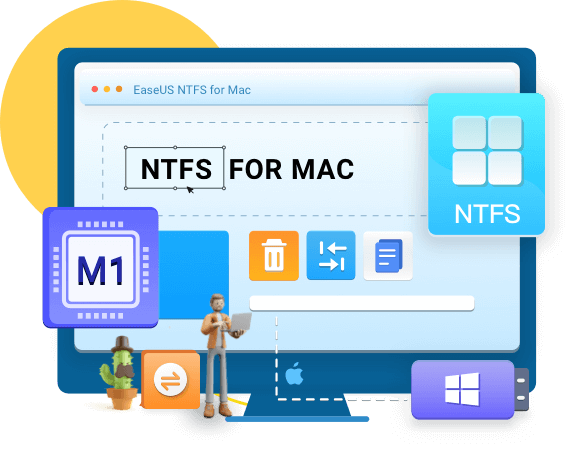
EaseUS NTFS for Mac is a powerful yet easy-to-use utility. It helps you solve the problem that the Mac can't write NTFS drives. Write, edit, copy, move and delete files on Microsoft NTFS volumes. You can do everything with Windows drives on your Mac!

EaseUS NTFS for Mac supports reading and writing external hard drives previously formatted for Windows from other known hard drive manufacturers is an NTFS driver as well.
Microsoft NTFS for Mac by EaseUS is super fast. It means less time waiting for files to save or copy between your external drive and Mac.
Safe data transfer and seamless user experience
It is fully compatible with M1-based Mac devices.
Also, it is compatible
supports macOS Big Sur and older macOS See Specifications

Supported Operating Systems
macOS Big Sur 11 ~ macOS Sierra 10.12 running on Mac mini, MacBook, MacBook Air, Macbook Pro, iMac, iMac Pro and Mac Pro

Supported Files Systems
NTFS, HFS+, APFS, FAT, exFAT

Supported Devices
Hard Drive, External Hard Disk, SSD, USB Drive, Thunderbolt Drive, SD Card, CF Card, etc.

Disk Space
100 MB and above free space